Define adoption requirements
- INSIGHT
- Customers need scale, affordability, quality, and volume.
- MY RESPONSE
- Frame the opportunity around a usable product specification.
- NEXT PROOF
- Benchmark samples against application requirements.
VENTURE / SAEED ARABHA
MATERIALS COMMERCIALIZATION CUSTOMER DISCOVERY SCALE-UP
MY ROLE / ENTREPRENEURIAL LEAD
I translate the team’s discovery findings into adoption requirements, candidate business models, and a validation plan. Reza Rizvi leads the technical work.
Progress reported by the project team.
Requirements and interpretations from discovery.
Proposed work or an assumption to validate.
THE STARTING POINT
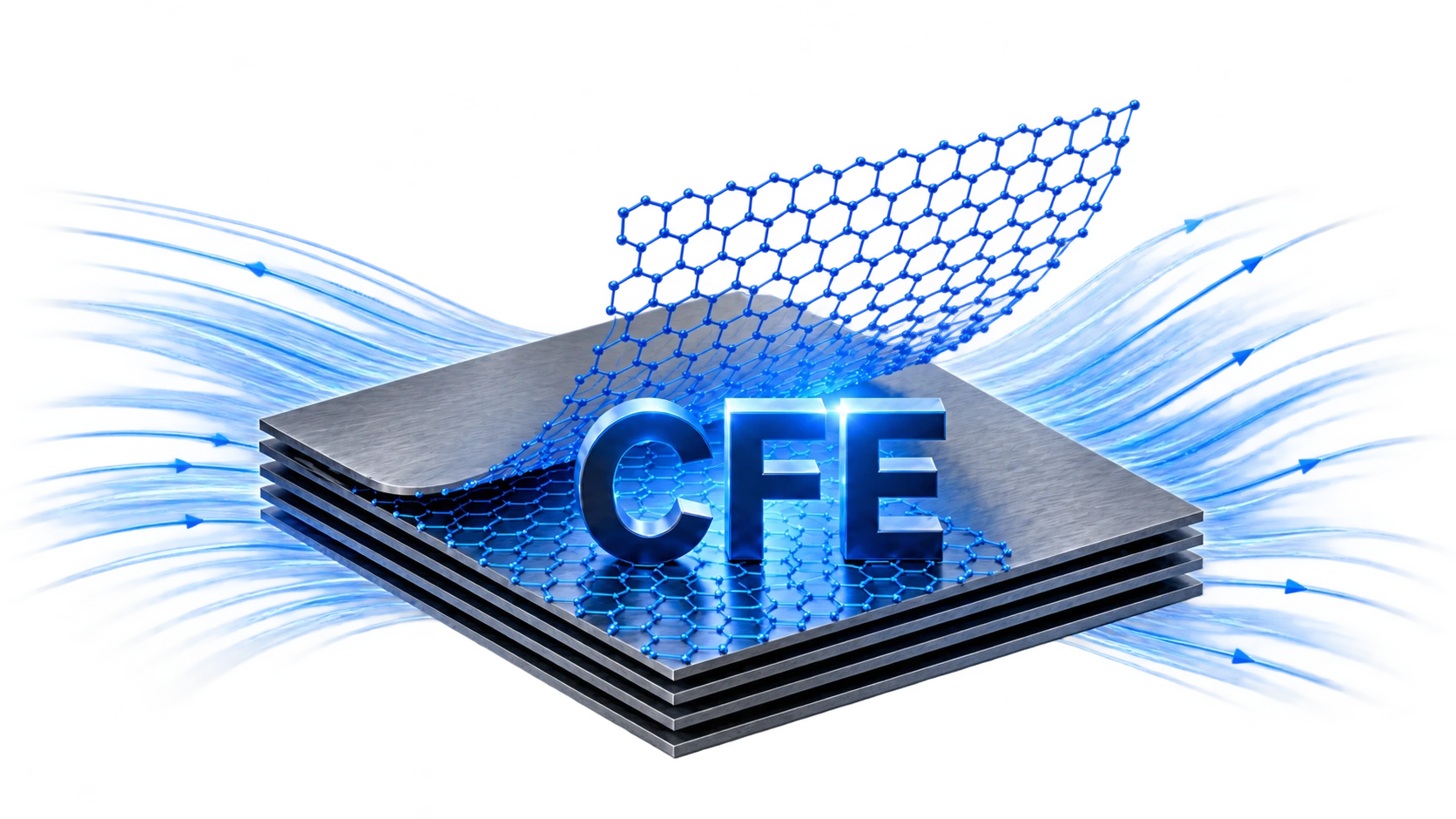
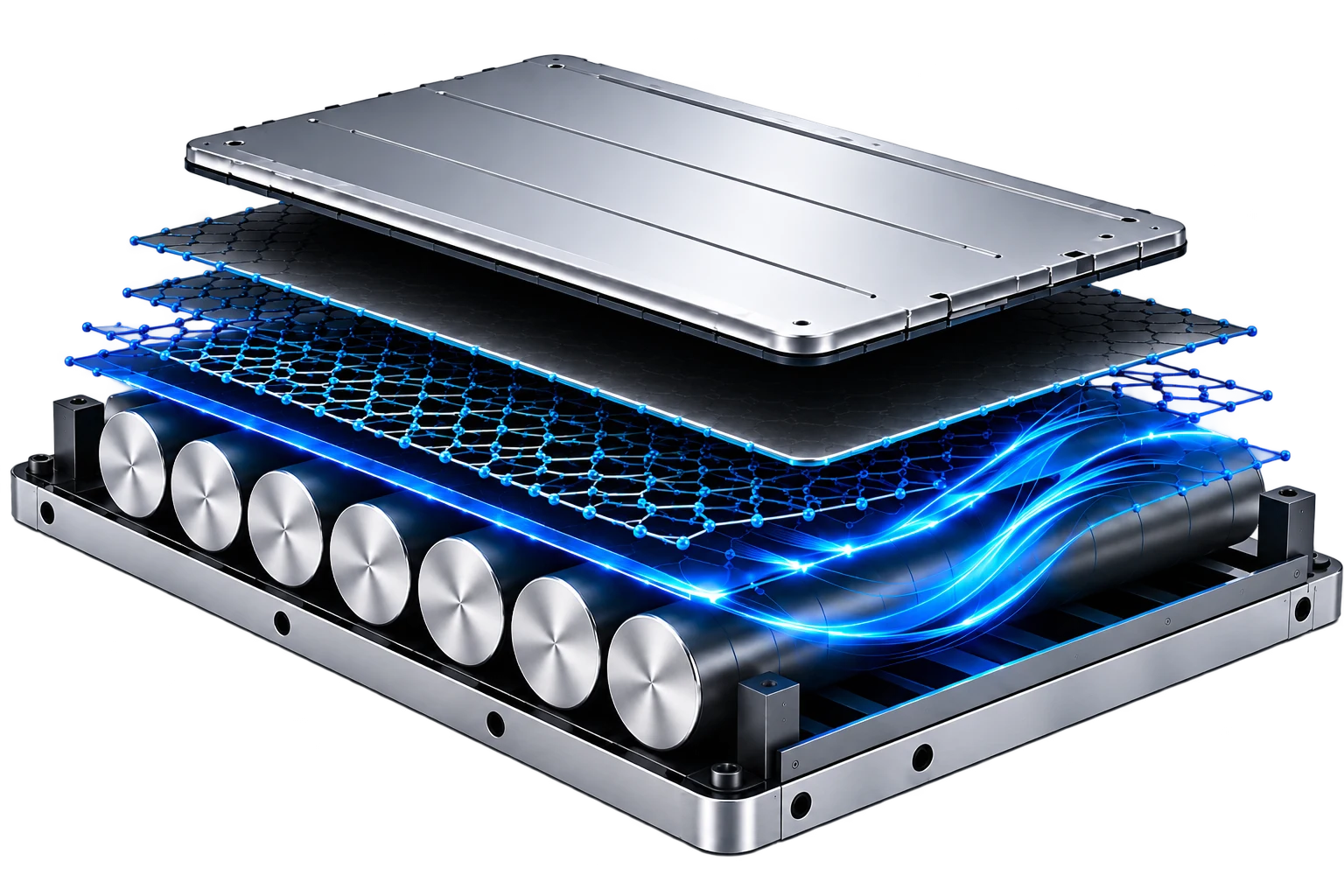
From battery thermal management to stronger concrete, 2D materials offer useful properties. Adoption depends on delivering those properties at a specification, price, and volume a customer can use.
THE PRODUCTION BOTTLENECK
Production constraints become
customer performance risks.
CUSTOMER DISCOVERY
Four requirements kept returning across the interviews:
A process that can grow with demand.
Economics that fit the intended application.
Material specifications customers can rely on.
Enough usable material for production.
Material performance creates interest. Reliable production gives a customer a reason to adopt.
A TECHNOLOGY RESPONSE TO THOSE NEEDS
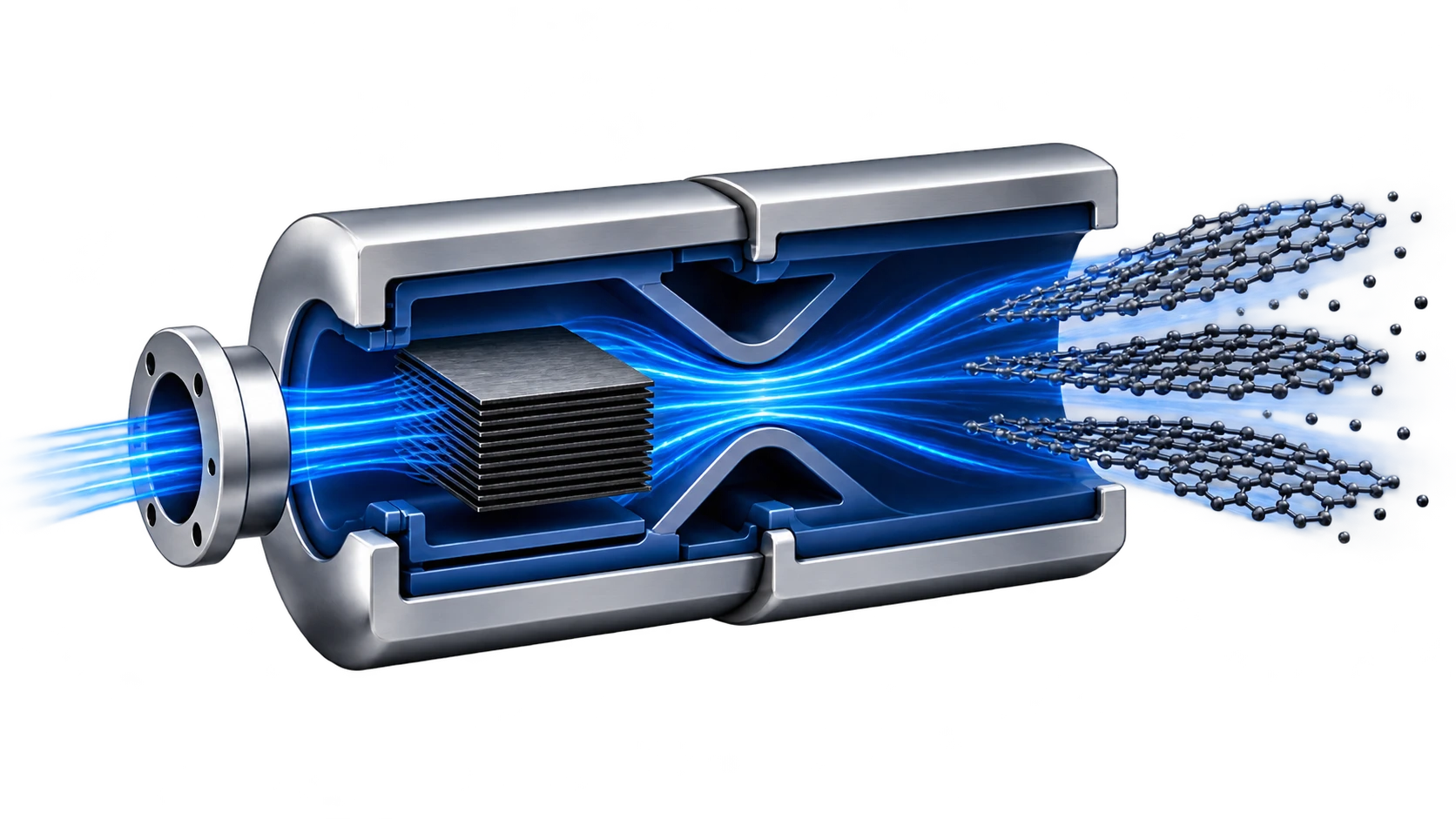
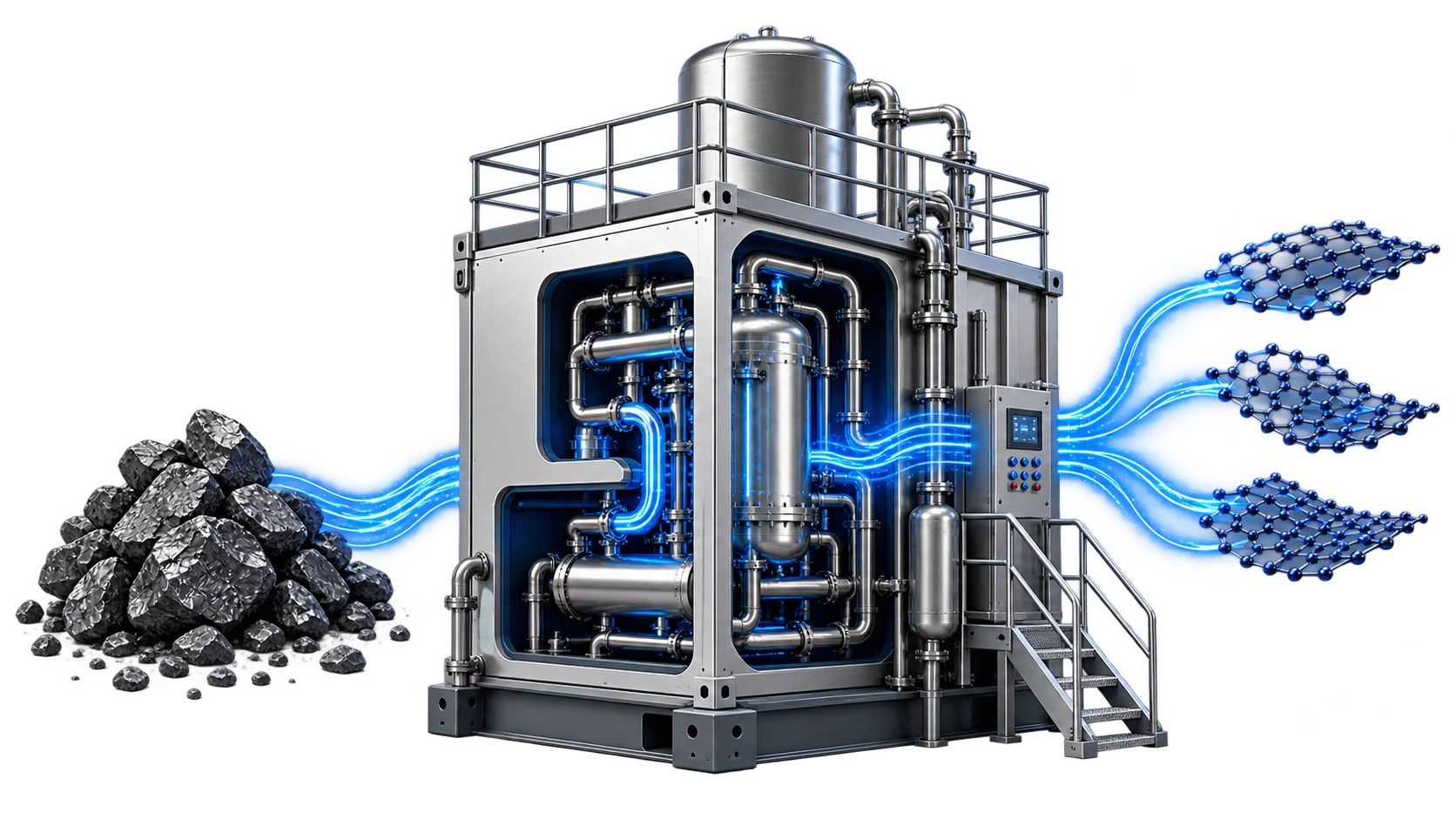
High-pressure gas generates shear to separate layered feedstock into thinner sheets. Continuous processing and consistent output are development goals.
ENTRY-MARKET CHOICES
Customer discovery points to two candidate markets, each with a different route to revenue.

Help producers turn layered feedstock into higher-value 2D materials through a gas-driven process.
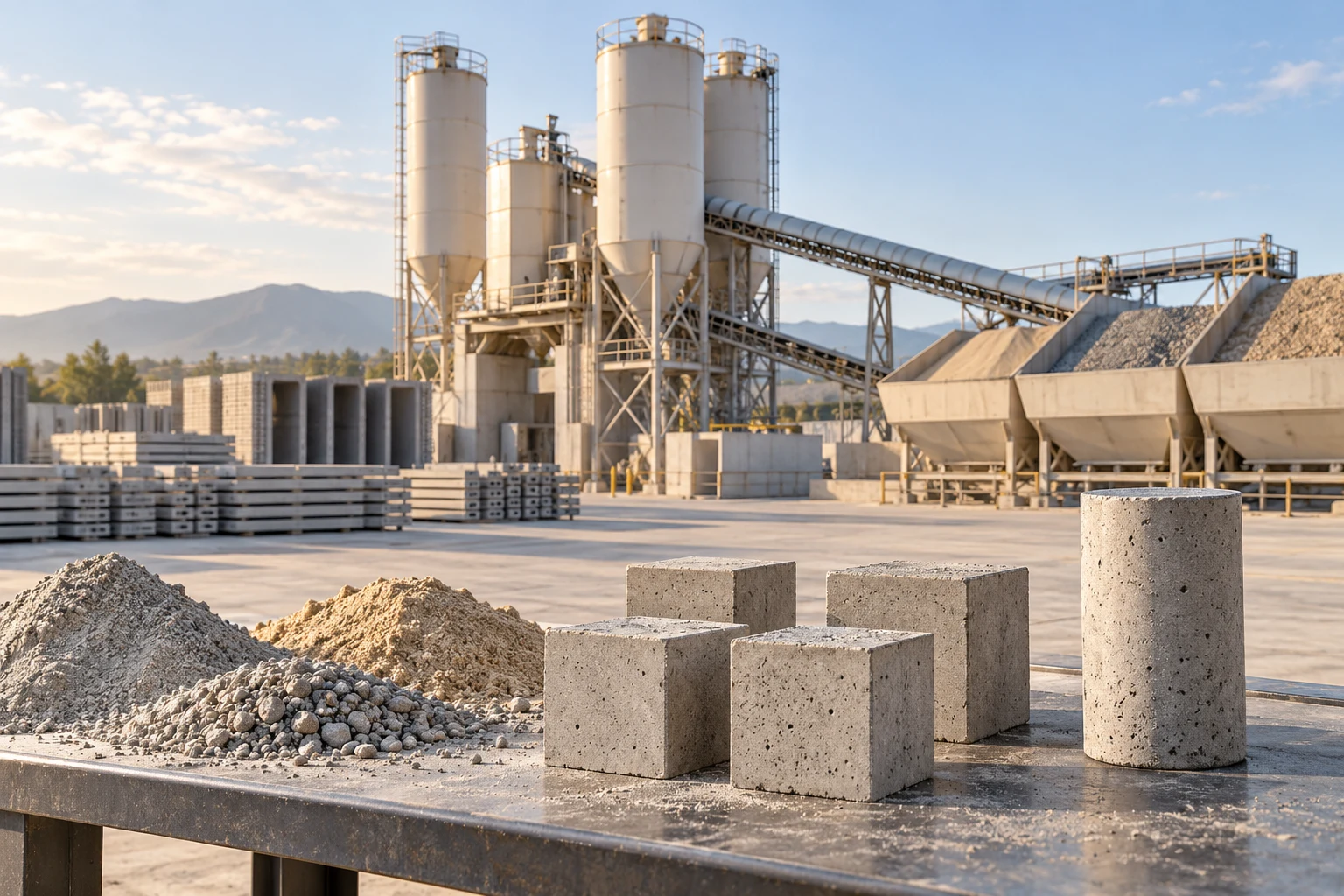
Supply consistent additives for strength, durability, or lower cement use. These applications may not require perfect monolayers.
AN APPLICATION BRANCH
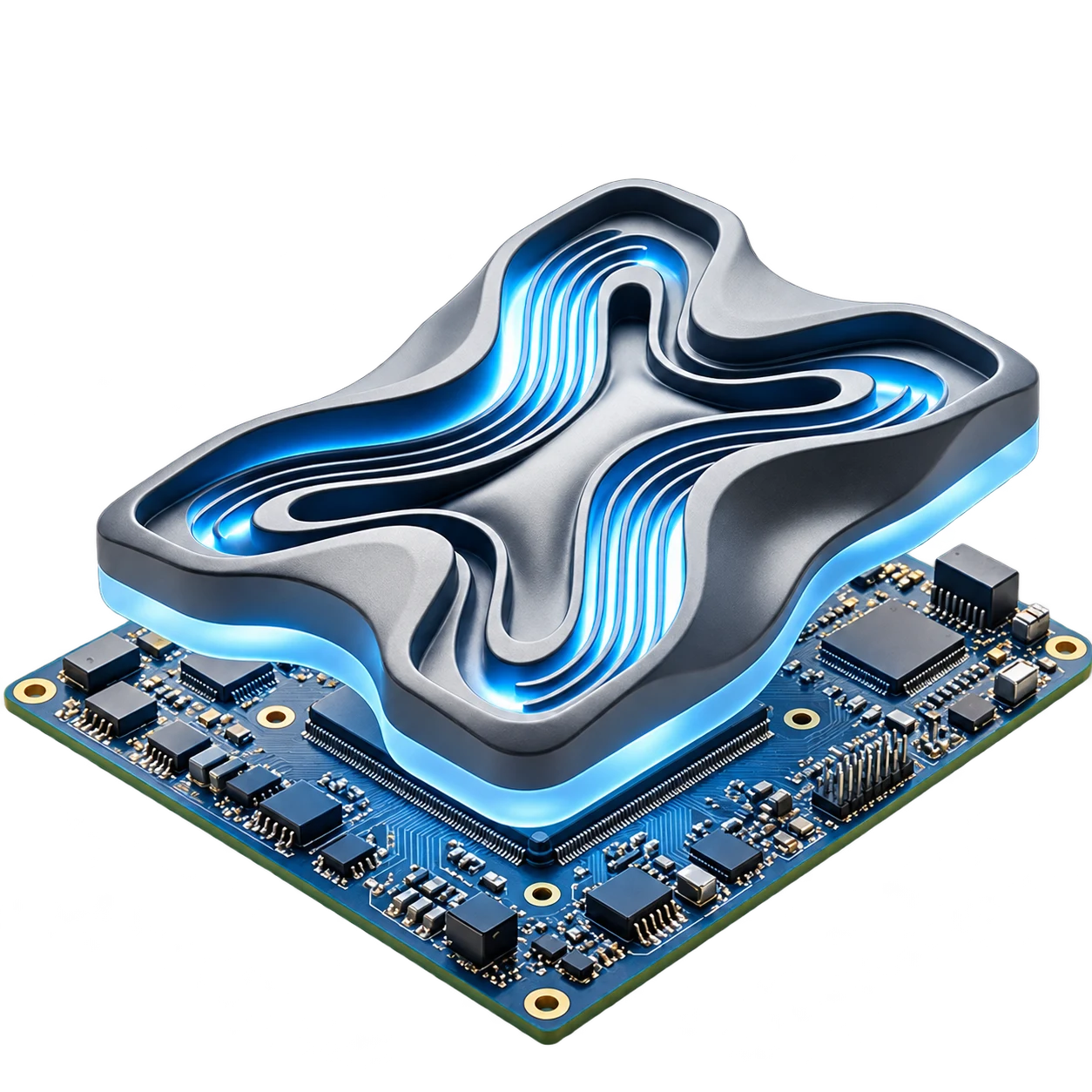
2D-filled polymer composites offer another application to explore: thermal-management components qualified against a user’s performance targets.
Application exploration / technical and supplier qualification still to be established.
THE WIDER OPPORTUNITY
Market estimates provide context. A specific customer need determines where to start.
Composites and industrial additives represent an estimated initial opportunity. Graphite/mining and concrete are candidate entry markets identified through customer discovery.
Market sizes and target years are planning estimates, not current market measurements or realized revenue.
INDUSTRY VALIDATION
Early partnership work with a public advanced-materials company explores a pilot using industry-relevant graphite.
Customer qualification is the next proof point.
THE NEXT VALIDATION GATE
A proposed six-month plan turns the remaining assumptions into five practical tests.
Use follow-up interviews to test performance, pricing, volume, and adoption assumptions.
Identify a lead concrete or composites partner with a relevant application.
Provide CFE output for customer testing under agreed conditions.
Set product specifications and compare performance with alternatives.
Begin the IP process and formalize the path to a structured pilot.
THE LONGER-TERM SCALE-UP CASE
Scale-up would move from manual lab work to an automated platform, with continuous operation as the longer-term goal.
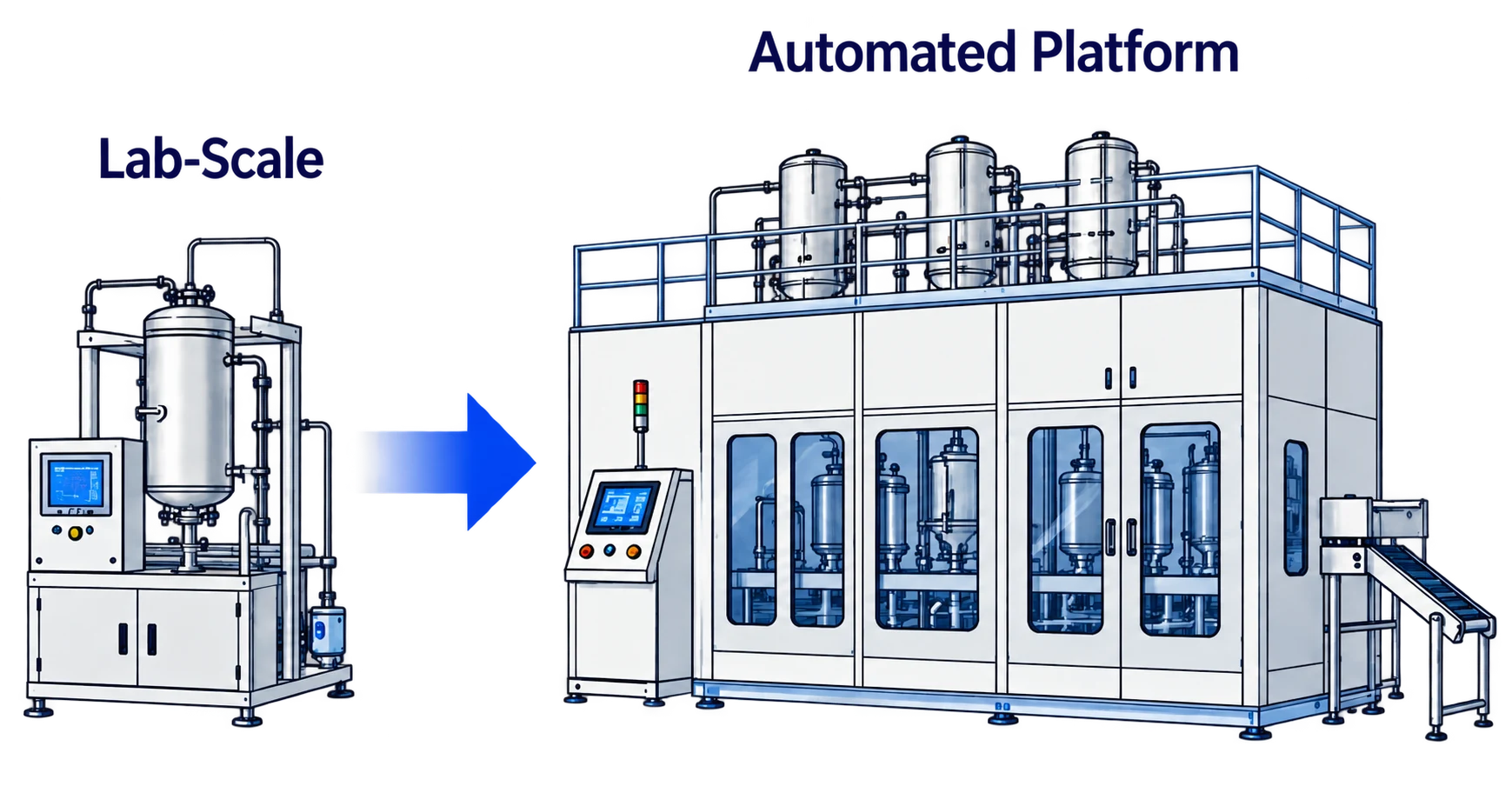
Proposed funding for automation, capacity expansion, and pilot testing.
Discuss the scale-up pathwayWHERE THE PROJECT STANDS
Discovery has narrowed the commercial questions. Pilot work must now test the answers.
Four adoption requirements, two candidate markets, and a business-model hypothesis for each.
Review the market choicesCustomer-qualified samples, benchmark performance, viable process economics, and a committed pilot partner.
See the validation planSUPPORTING MATERIAL / I2F PITCH
Review the material, market, and scale-up proposal in the original pitch.
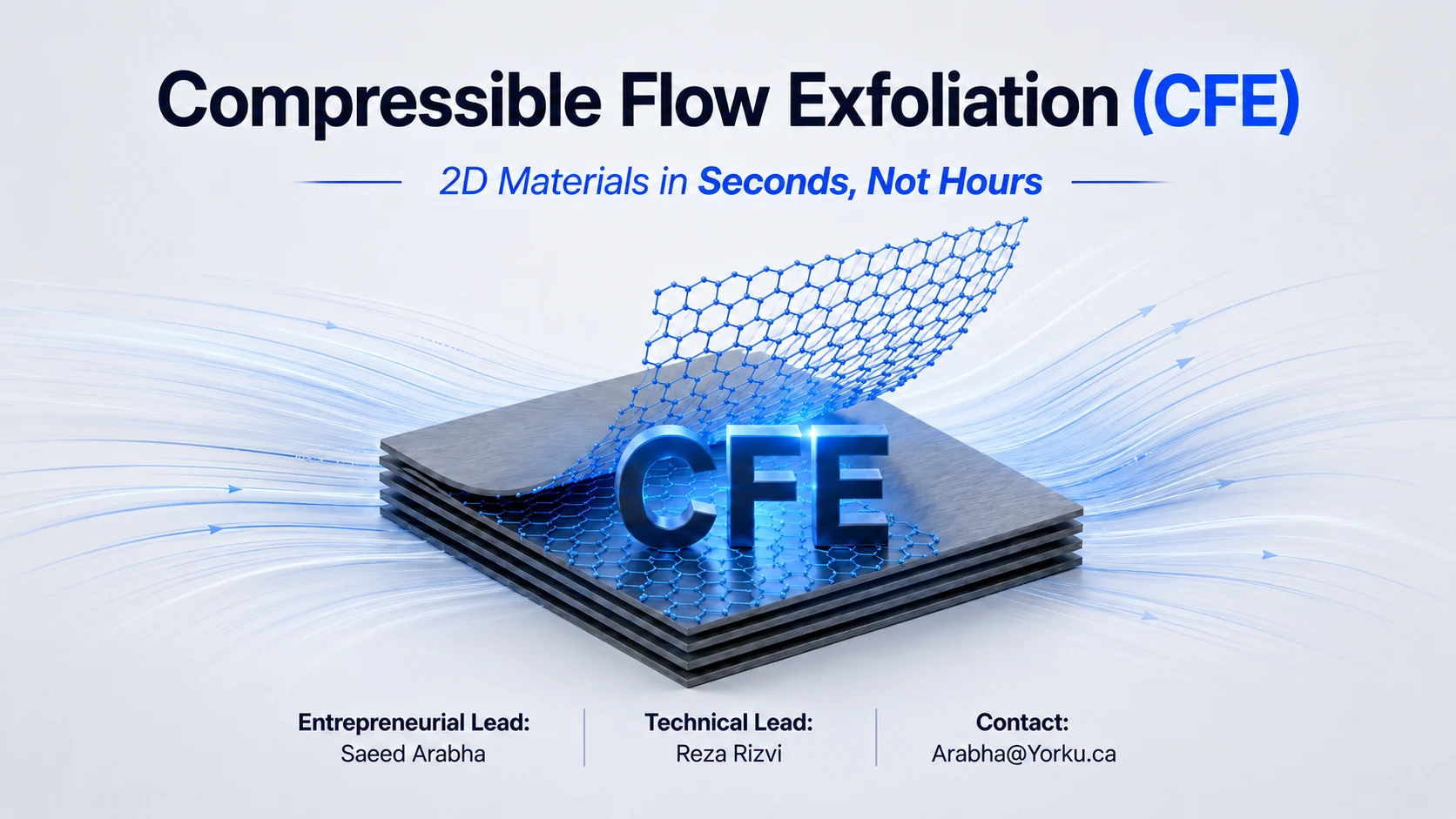
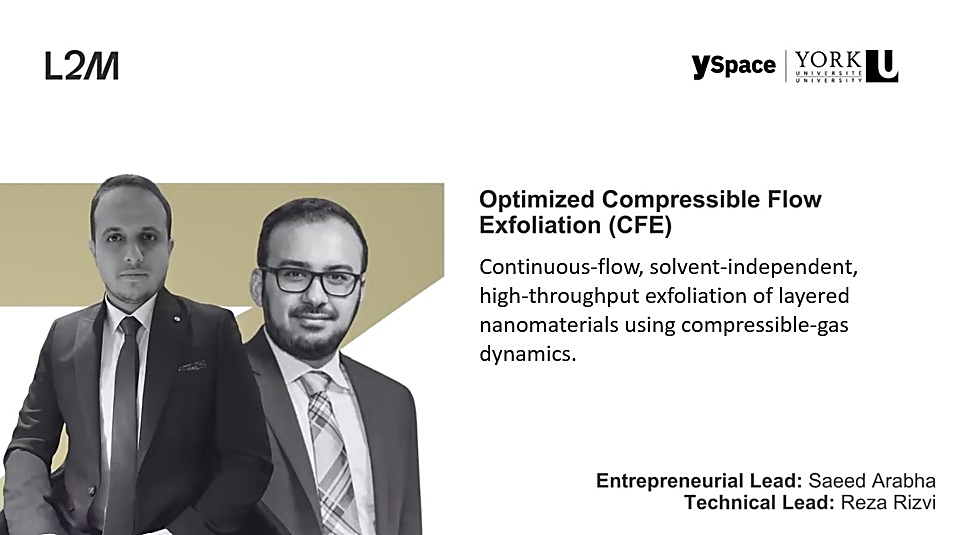
01 / 09 The CFE proposition
THE RESEARCH BEHIND THE COMMERCIAL CASE
RESEARCH & COMMERCIALIZATION
Materials research and customer discovery, brought together through Lab2Market.
LET’S FIND THE NEXT USEFUL STEP
Have a feedstock, an application, or a testing capability that could help move CFE forward?
Discuss a pilot or collaboration